Tuesday, May 14, 2013

Do These Food Photos Tease the Tastebuds? You Be the Judge


Do you believe the old saying, "A picture is worth a thousand words?" I certainly think the right food picture is worth a thousand words. It can make a reader drool and run right to the kitchen to try a recipe. (This is what I always want you to do.) The gotcha, though, is that it's sometimes hard to figure out which pic you will decide is the most appetizing!


To help me answer this, please take a close look at the photo at the top, then the one at left. I'm guessing you'd rather try the dish above in the blue bowl, yes?  Presumably it just looks tastier and something you'd more likely enjoy making and serving, right? But please do confirm your preference in the comments section--I've guessed wrong before!

 In case you didn't notice, the two photos actually spotlight the same dish--the quick and easy chicken skillet featured below. No
ingredients or steps were changed. The shot at left simply shows the food in the cooking skillet; the shot above, a more recent image, shows the food put in a bowl and propped for serving. Of course, the lighting,  camera angle, and composition were also changed. So, do you think the changes were for the better?

The past year I've been working hard on taking better food photos. For practice, I've been looking at older blog posts and redoing images that now strike me as ho-hum or unappetizing. (If you're interested in the specific steps I took check out my very popular how-to post, "Getting to Yes on Foodgawker and Tastespotting.")


The asparagus stir-fry image above right is one of  my "after" shots. The one below left was taken  "before" I started upgrading my skills.
As you can see, the images are similar in many ways, yet the effects are very different. The before photo was rejected by both Foodgawker and Tastespotting, while the more recent chopsticks shot was published by both. In fact, the chopsticks pic was a  Foodgawker fave the week it ran.


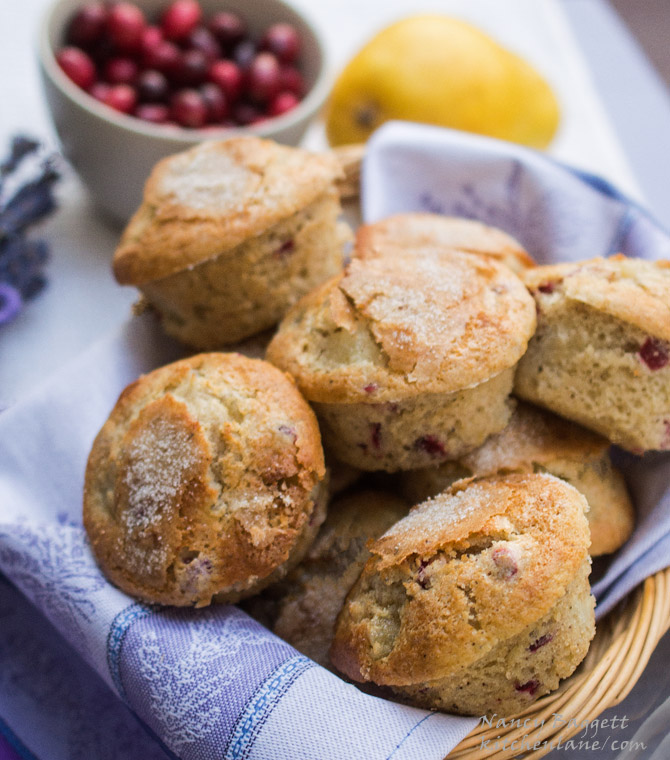
Here's another set of my before and after photos. One blueberry muffin shot was promptly published by both Foodgawker and Tastespotting. They nixed the other, though I edited and resubmitted it several times in response to criticisms. (The muffin recipe is here.)

I'm betting you can tell which is which--the images should speak for themselves. But if you're not sure, feel free to guess! I'll tell you if you were right.

At the moment, I'm happy to see some progress, and hopefully, you can see it from the comparison shots, too. But the learning process is still just beginning, so tune in again soon to check out the latest pics.


Chicken Skillet Pronto

The dish not only goes together quickly, but total cooking time is short. Carrot and celery sticks or a simple salad and perhaps a fruit dish or bread can round out the meal.
 
 Tip: For even quicker preparation, substitute a time-saver package of cubed chicken breast meat for the breast halves. And to boost fiber, use instant brown rice; it's a very convenient "healthy" whole grain product.

1 tablespoon olive oil or canola oil

 1 pound boneless, skinless chicken breast halves, cut into 1 inch cubes

1/2 teaspoon dried thyme leaves

1/2 cup mild or medium-hot bottled picante sauce or salsa

 3/4 cup (uncooked) "instant" (or "5 minute") brown or white rice

 2/3 cup reduced-sodium chicken broth or water

 1 can (14-15 ounces) black beans, well rinsed and drained

 2/3 cup frozen (thawed) corn, rinsed and drained, optional

 Black pepper to taste, optional

Chopped fresh cilantro or parsley leaves, optional

 In a 12-inch nonstick skillet over high heat, combine the oil, chicken and thyme leaves. Cook, stirring, 3 or 4 minutes, until chicken pieces begin to brown. Stir in the picante sauce or salsa, adjusting heat so mixture simmers gently; cook 3 minutes longer. Add rice, broth (or water), beans, and the corn, if using. Let return to a simmer. Continue simmering gently, covered, for 8 to 10 minutes, until the chicken and rice are just cooked through. (Brown rice will take a little longer than white.)

Fluff with a fork before serving. Season with pepper, if desired. Garnish with a little more salsa and chopped cilantro or parsley leaves, if desired. You can serve extra salsa at the table, but probably shouldn't if you're trying to lower your family's sodium intake. Makes 4 servings.

 For another dinner-in-a-hurry idea, check out my chicken curry, here.
Continue Reading...

Monday, May 6, 2013

Beautiful Violet-Herb Vinegars--Easy, Spectacular Gifts from the Kitchen (and Garden)


Time is running out! Well it is if you love woodland violets and live here in central Maryland. The vast purple-blue carpet where I harvested a whole basket of beauties ten days ago has now vanished from my neighbor's untended side yard. Now, blooms are only popping up in the cooler, shadier parts of my garden and in the woods. In another week all the violets will be gone until next year.


So, with a sense of urgency, this past month I have been busily enjoying these small, but abundant gifts of nature in as many ways as possible. Yes, they make gorgeous miniature floral arrangements for coffee and tea trays and small tables and nooks. (Almost any mother's heart would melt at being  presented with this sweet little violet bouquet brightening her Sunday breakfast-in-bed tray, don't you think?)


 But because wild violets (like other members of the large Viola family) are edible, they offer many more opportunities to take advantage of their cheerful hues and form. I strew them on salads and toss them into vinaigrettes. I perch them, sometimes fresh, sometimes candied, atop cookies, cupcakes, and such; they add not only charm, but  a touch of color that, happily, is completely dye-free. An additional pastry decorating trick: I turn the petals (almost effortlessly) into a  pretty garnishing sugar that can be kept on hand to gussy up all manner of sweet treats. (Note that, despite their name, African violets are not in the Viola family and cannot be eaten.) 

This week I've been experimenting with another fun, easy way to spotlight fresh woodland violets--combining them with chives or parsley to create beautiful bottles of seasoned herbed vinegar. These make wonderful kitchen gifts for all sorts of  cooks, from salad lovers, herb fans, and healthy eaters to waist watchers, vegans, and the gluten-free.

Seasoned Violet-Herb Vinegar 

To streamline the steps and make preparations utterly fuss-free, this recipe calls for seasoned rice vinegar (though you could certainly use unseasoned, if preferred). I like the Nakano brand version labled "all natural, original." The seasoned kinds already contain a modicum of salt and sugar, so as soon as the bottle has steeped a few days, the vinegar can be whisked together with oil for an instant vinaigrette. Or, splash the vinegar, as is, over bitter greens, or cooked veggies, or into a quick pan sauce. 

IMO rice vinegar is the best choice because it's fairly economical and has a mild flavor and pale hue that  really showcases the taste of the herbs and color of the violets. It's normal for the color from purple violets to gradually leach from the blooms and tint the vinegar a pinkish shade (as shown in the bottom pic). Real woodland violets of any color work well. Just be sure they are untreated and unsprayed. Either garlic chives or regular chives (including any blooms) will do. The parsley is optional; if you use it choose the flat-leaf kind.

Directions for 1 bottle of violet vinegar:

Wash a handful of violets (with or without stems) and some chives in a colander (and also parsley if using) thoroughly but gently under barely warm water. Then drain well and gently dry on paper towels.

Fill whatever size clear glass bottle or jar you like three-fourths full with the rice vinegar. If the bottle opening or neck is narrow, be sure to have on hand a thin, long-handled fork (such as a fondue fork), chopstick, or extra-long, thin tweezers to push the blooms and herbs down into the container. If necessary cut the chives the length needed so they will  "stand up" in the bottle.

Gently push some herb sprigs and as many violets as look attractive down into the bottle; be sure that all are covered with the vinegar. Add more vinegar to top off the bottle and cover the herbs as they float to the top. Close tightly with a non-reactive cap or a cork. Let stand in a cool, dark spot several days so the flavors can blend before using. The violet colors begin to fade right away; the herb flavors fade within about 8 months, though the vinegar can be used for up to a year.


Continue Reading...

Sunday, April 21, 2013

Spectacular Violet and Leafy Greens Salad, Plus a Quick Violet Vinaigrette


I suppose salad doesn't leap into most people's minds at the sight of a field turned hazy purple with a carpet of wild violets. But if you live anywhere that  these beautiful ephemerals appear each spring, a gorgeous salad plate is yours just for the picking.

Yes, the culinary appeal of woodland violets is mainly in their distinctive color and charming shape. This is probably why fans most often use them in tiny, whimsical arrangements; or crystallize the flowers of bright purple varieties to serve as pastry and dessert garnishes; or, if sufficient quantities can be obtained, turn the blooms into a violet simple syrup.


However, the flavor of violets is delicate, so they are actually suitable for garnishing both savory and sweet dishes. The texture of  the fresh petals is reminiscent of the very tenderest, mildest baby lettuce. Note that they are not merely decorative--for their size they serve up considerable amounts of  phytochemicals and vitamin C. 

All varieties are edible (and equally lovely strewn over a salad) and nearly all in America cease flowering by early June. However, do keep in mind that native violets are not the same as African violets, which are not native woodland plants and are not edible.


Be sure not to dawdle if you want to take advantage of this spring's violet crop though: In much of the country the blooms of  members of the large Violaceae family--from purple to lavender blue to yellow, to cream and white--suddenly pop up along walking paths and in vacant lots and naturalized gardens in early April.

Actually, hundreds of kinds grow in the United States, and experts say they hybridize readily, so identifying them is tricky. I tried but quickly realized this task should be left to a botanist! Not only are their colors varied, but subtle differences in throat markings and overall bloom shape have to be taken into account. Look closely, and you'll see that the petals of the pale lavender violet at right are slightly more angular than those of the deeper purple ones pictured below.


The large swath of blooms pictured below left return each year in an untended (meaning unsprayed, unfertilized) neighborhood patch on the suburban street next to mine. The ones shown at the bottom are volunteers that happily settled in among my stand of raspberry canes--a fine example of  nature's own clever "two crops, one spot" land conservation. I love them there not only for their touch of color and convenient harvesting, but because they help keep the soil on the fairly steep slope from eroding.

As you might have guessed, violets thrive here in central Maryland. So I not only use them to garnish salads but sometimes in light, quick dressings for them. 

Fresh Violet-Mixed Greens Salad with Violet Dressing

It's best to add the violets to your salad right before serving, as most varieties  will begin to wilt within a half hour.  (The yellow ones are especially fragile and will droop in just a few minutes.)  You can garnish both tossed and composed salads with equal success.

Be sure to wash fresh violets thoroughly under gently running water. Gently pat dry on paper towels. Use them abundantly to make a big splash!

Feel free to use whatever greens you prefer. The light taste of spinach, baby romaine, and oak leaf lettuce do make them an excellent choice, as they marry well with this mild oil and vinegar dressing. Plus, their leaves contrast nicely with violets on all colors.  
                                                                                                          
To streamline this homemade dressing recipe, I rely on a ready-to-use seasoned (salt and sugar added) rice vinegar. I especially like the Nakano brand version labeled "All-Natural-Original." It's zesty yet smooth and balances the olive oil nicely. The choices seasoned with garlic seem a bit too strong.

If the violet petals whisked into the dressing happen to be blue or purple, you'll soon notice that they are turning a pretty pinkish red shade. That's because the anthocyanin pigments (antioxidants also responsible for the color in vegetables like red cabbage) change in the presence of the acid in the vinegar.
                                                
1/3 cup seasoned rice vinegar (preferably Nakano original)
About 1 tablespoon chopped fresh violet petals 
1 to 2 tablespoons finely snipped fresh chives or tender green onion tops
1/4 teaspoon dry mustard powder
1/4 teaspoon each sea salt and fresh ground black pepper
1/4 cup extra-virgin olive oil, or more to taste

In a deep, medium-sized, non-reactive bowl, whisk together the rice vinegar, chopped violets, chives, sugar, mustard powder, salt and pepper. Gradually whisk in the oil until incorporated. Taste and add more salt and pepper, if desired. Let the vinaigrette stand a least 20 minutes and preferably an hour at room temperature before serving to allow the flavors to mingle. (If preferred, store the dressing airtight and refrigerated in a jar or non-reactive container for up to a week. Let return to room temperature before using.

At serving time, whisk, stir vigorously, or shake the dressing well before tossing with greens or drizzling over a salad. Makes 2/3 cup dressing.

 
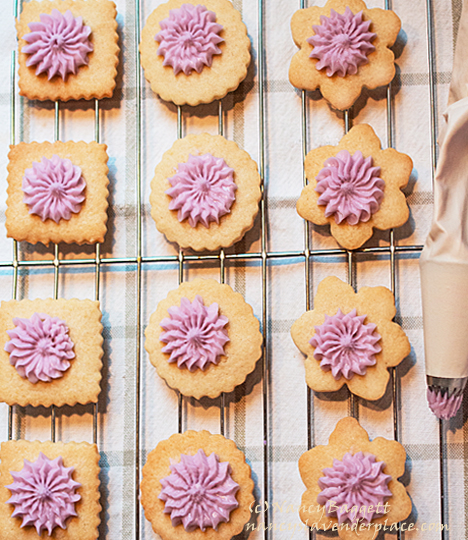
 Perhaps you might also like my violet decorating sugar recipe here.


Continue Reading...

Saturday, April 13, 2013

Calling All Foodies--Don't Miss San Francisco's Famed Ferry Building

Off the Embarcadero at the Ferry Building.
I just returned from a culinary conference in San Francisco, where I spent a lot of my free time at the Ferry Building. That's one of the entrances pictured at left, and one of the ferries coming in to the dock, below right.

 I ran into many of my colleagues at the Ferry Building, and most are as enchanted with this popular foodie destination as I am. Both we and the  locals flock to interesting eateries, specialty food shops, and kitchen and garden boutiques.

 Inside, in an area that once stored passengers' luggage, merchants now serve up everything from tea, coffee, olive oil, and bread to mushrooms, high-end chocolate, pastries, wine, herbs, oysters, sausage, and more. Outside, on Tuesday, Thursday, Saturday growers and customers jam into that empty plaza shown above for a vibrant city farmers' market.
Incoming ferry at the Ferry Building

If you haven't been to San Francisco in the last decade, you may have missed this historic transit center turned culinary emporium. It's right off the Embarcadero on the waterfront in the Financial District. After decades of neglect, it was given new life when extensive renovations were completed in 2004. 

 The original building opened in 1892 and served as a bustling transportation hub for train passengers from the East, as well as East Bay and Marin commuters until the mid-1930s. Then, gradually, after the Bay Bridge and Golden Gate Bridge made commuting by car possible, it became obsolete. But ferry service resumed in the 1970s to alleviate the growing daily snarl of commuter car traffic.

So, now you've got your bearings, here's a quick peek of just some of the goodies you'll find inside the Ferry Building.
Gelatina Encapsulada- Gelatin artwork desserts at La Cucina.


Cowgirl Creamery doing a booming business--as usual.

I grabbed two quick lunches at the San Francisco Fish Co.
Light and crispy fish taco lunch from the Fish Co.


HAD to buy some fine orange peel bark here.

At Sur la Table I found a perfect striped tea towel.
Just looked, but really wanted to buy at Far West Fungi.

Had to try a caramel at Miette--yum!

Heath Ceramics-Local handcrafted pottery maker.


Another foodie destination you may want to know about--Atlanta's Sweet Auburn Market.
Or see some "lemon scenes" plus a limoncello recipe I brought back from Italy.

Continue Reading...

Tuesday, April 2, 2013

Ham Bone-Vegetable Soup--A Great Bonus Meal from that Holiday Ham


Wait, stop! You weren't really going to throw out that holiday ham bone, were you? Leftover ham bones should always be considered culinary treasures and saved for making soup or stock.

Pitch out a bone and you're literally throwing away $5 or $6. Plus, you're wasting the chance for a truly memorable, soul-satisfying meal. (I've just had a bowl of the ham and vegetable soup shown here for lunch. It was hard to hold off long enough to take the pics!)

If you didn't know, ham bones are luxury items nowadays. At some point the specialty ham shops wised up and hiked prices of their bones left from readying sliced ham plates. A 1 1/2 to 2-pound one with a little meat  used to cost $.99, or at most $1.99. But no more. Lately, I've been paying $5.99--yikes! (Though the bones are a bit meatier than before.) And I always feel exhilarated to have scored at all, because the clerks say that ham bones are usually snapped up by customers with standing orders!

If you're absolutely, positively too busy to deal with your leftover ham bone immediately, put it in a plastic freezer bag and stick it in the freezer until you're less harried. DO NOT forget to label and date the package first; even if you promise yourself to remember what's in the bag, you probably won't. (The bone will be fine in there for up to 2 months.)


Another option is to do the preparations in stages. You can ready just the stock, then stash it in the refrigerator for several days or in the freezer for up to 3 months. Once any nice chunks of meat are trimmed off and reserved for adding to the soup later, the task is fuss-free. The bone just gently boils  in a large pot with  water (and a few herbs and vegetables, if desired),  for 2 to 3 hours. I like to start the stock right after dinner, then cool it slightly and refrigerate a day or so until I have time to make the soup.

Because this recipe features a whole grain  (brown rice), lentils, and veggies, it's quite wholesome. If you make a point of skimming off the surface fat from the stock as called for and also trim the excess fat from the diced ham, the soup will be fairly low in fat. Using no-sodium-added canned diced tomatoes and omitting salt from the recipe will help control the sodium level as well. 


Wholesome Ham Bone-Vegetable Soup

Right off, take note that this is not your typical ham soup. Instead of featuring beans, it stars lentils, veggies and rice--a great change of pace IMHO.

 Depending on how much meat is left on your ham bone, this oh-so-savory soup can do for a lunch or a very substantial one-dish supper. Serve bread and perhaps a salad or fruit dish, if you wish.  The recipe makes a large batch, enough for several meals or to feed a crowd.

If you feel you must streamline soup preparations,  it's perfectly okay to rely on frozen vegetables. When I'm rushed, I add a (rinsed and drained) medley of frozen carrots, green beans, peas, chopped onion, and diced green peppers, plus some fresh diced celery and cauliflower. Feel free to add or subtract to suit your taste or what's on hand in your kitchen.

Tip: The recipe gives you a choice of  regular or instant brown rice (or white rice in a pinch), and either red lentils or brown lentils. Instant brown rice cooks in less than 15 minutes; regular brown rice requires about 40 minutes. Red lentils take about 20 minutes, brown lentils about 30. So, for a meal in the shortest amount of time, use instant, or "10-minute," brown rice and red lentils.

Tip: If this recipe entices you, but you don't have a leftover ham bone, substitute two or three smoked pork hocks. Instead of trimming off the meat before the cooking, it's easier to do it after the stock is readied.

1 medium sized (1 /12 pound or similar) ham bone, all slices removed and reserved for another purpose and smaller pieces trimmed of fat, diced and reserved for the soup
12 cups (3 quarts) water, plus more as needed
1 to 2 large bay leaves
1 teaspoon dried thyme leaves
2 to 3 tablespoons freeze-dried chives or minced dehydrated onions,
Leafy celery tops, optional
1/2 cup uncooked red lentils or brown lentils
1/2 cup uncooked "instant" brown rice or regular brown rice (or use white long-grain rice if unavailable)
1 28-ounce can no-sodium-added diced tomatoes (or 2 14 1/2-ounce can diced or chopped tomatoes), including juice
2 to 2 1/2 cups mixed diced vegetables, fresh or frozen (thawed)
1 1/2 to 3 cups diced ham (whatever amount was reserved from the ham bone)
Freshly ground black pepper and salt to taste

To make the stock: Trim any remaining chunks of meat from the ham bone and dice them. Wrap the meat airtight and refrigerate for up to 24 hours to add back to the soup later. (Or freeze for up to 3 weeks for later use.) Combine the ham bone, water, bay leaves, thyme leaves, chives or onion, and celery tops (if using) in a 4-quart or larger pot. Bring to a boil over medium heat. Adjust the heat so the pot boils gently and cook, covered for at least 2 and preferably 3 or more hours (the longer the cooking, the more flavorful the stock). Remove from the heat and let cool slightly. Strain the stock through a sieve (discarding the herbs, vegetables and bone) and measuring out and reserving the stock. If there is less than 8 cups of stock, add enough water to it to yield 8 cups. If using the stock immediately, skim off the fat from the top and discard. If refrigerating it for later use, skim off the fat once the stock has chilled.

To make the soup: In a 4-quart or larger pot stir together the ham stock, lentils, and rice. Bring to a boil, then adjust the heat so the mixture boils gently. Cover and cook, stirring once or twice, until the rice and lentils are barely tender; the time will vary from about 20 to 40 minutes depending on the type of  rice and lentils used. Stir in the tomatoes, mixed vegetables and reserved diced ham. If the soup seems at all thick, thin it with up to 2 cups water (overly thick soup may burn and stick on the bottom). Let boil gently, covered and stirring once or twice until the vegetables are tender and the flavors well blended, about 15 minutes. Taste and add pepper and salt as needed.  Makes about 2 1/2 quarts of soup.

You may also like the bread shown accompanying this soup; it's the "kneadless" Pale Ale Boule from my Kneadlessly Simple: Fabulous, Fuss-Free, No-Knead Breads.  Check out more recipes, a video, and details on the bread book here. Or, for a healthful quick bread to go with this soup, check out my Applesauce Muffins, shown below, here.


Other soup options: Try my savory autumn bisque ( shown below)  here. Another tempting soup, a minestrone, is here. 

 
Continue Reading...
 

Welcome

Welcome to Kitchen Lane. It's a comfortable place to drop in, relax, and unwind. A place to browse through recipes and read the related stores. A place to enjoy the communal spirit and kitchen pleasures that bond us together.

Nancy Baggett's Kitchenlane Copyright © 2010-2011 All material on this website is copyrighted

and may not be reused without the permission of Nancy Baggett.

WoodMag is Designed by Ipietoon for Free Blogger Template